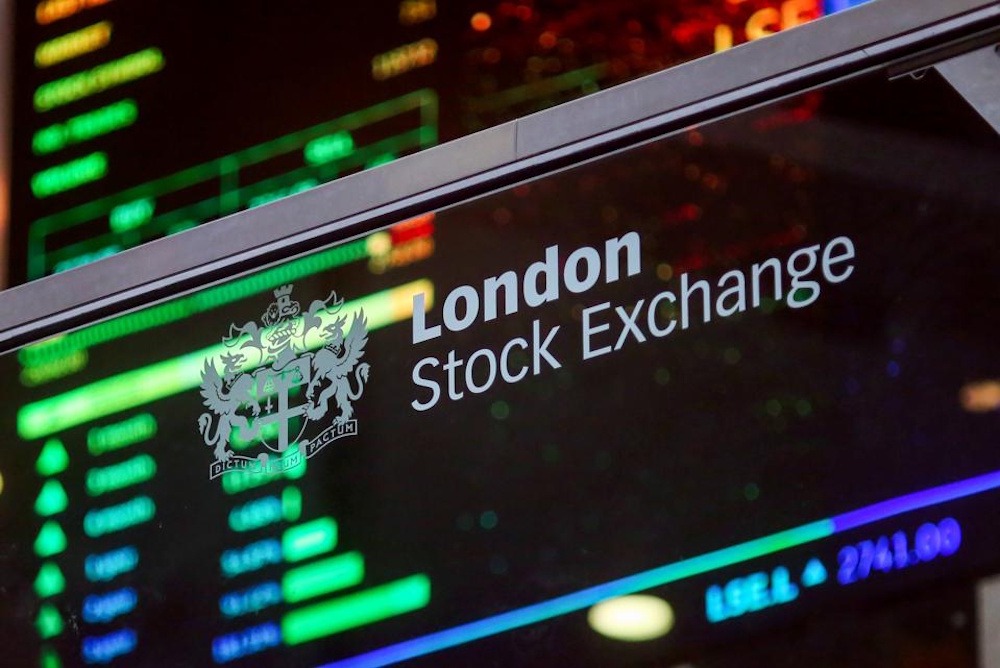
Britain’s FTSE 100 exhibited minimal movement on Thursday, as the decline in precious metal miners counterbalanced the advancements in energy shares following an increase in oil prices. Meanwhile, earnings reports and the European Central Bank’s policy decision continued to capture attention.
The blue-chip FTSE 100 index fell 0.04% to 10,712.83 points by 1050, while the midcap FTSE 250 slipped 0.3%.
- The energy stock opens new tab led gains as oil prices rose after Yemen’s Houthis said they struck two Saudi oil tankers, raising fears that disruption to global oil supplies could spread beyond the Strait of Hormuz.
- Limiting gains, the precious metal mining sector fell 2.5% and led losses sectorally as gold prices dropped on concerns that inflationary pressures could push the U.S. Federal Reserve to raise interest rates later this year.
- Amid rising inflation worries, investors were poised for the European Central Bank’s policy decision later in the day.
- The European Central Bank is highly likely to maintain its current interest rates, while simultaneously leaving the possibility of a rate increase in September on the table.
- Among individual stocks, takeover target easyJet rose 5.5% after the airline’s third-quarter profit slumped 70% due to the Iran war, which led to volatile fuel prices and made travellers wary. However, earnings surpassed analysts’ estimates, and the carrier indicated somewhat clearer skies heading into peak summer.
- Jupiter Fund Management experienced a decline of 2.6%, even as the asset manager announced a remarkable 67% increase in pre-tax profit for the first half of the year.
- Howden Joinery gained 1.6% after the kitchen supplier maintained its annual outlook and stated it had hedged fuel costs through year-end.
- Britain’s new prime minister, Andy Burnham, announced a 20% reduction in business rates for pubs, clubs, and live music venues starting in April. This marks his third announcement in three days aimed at supporting households and businesses.