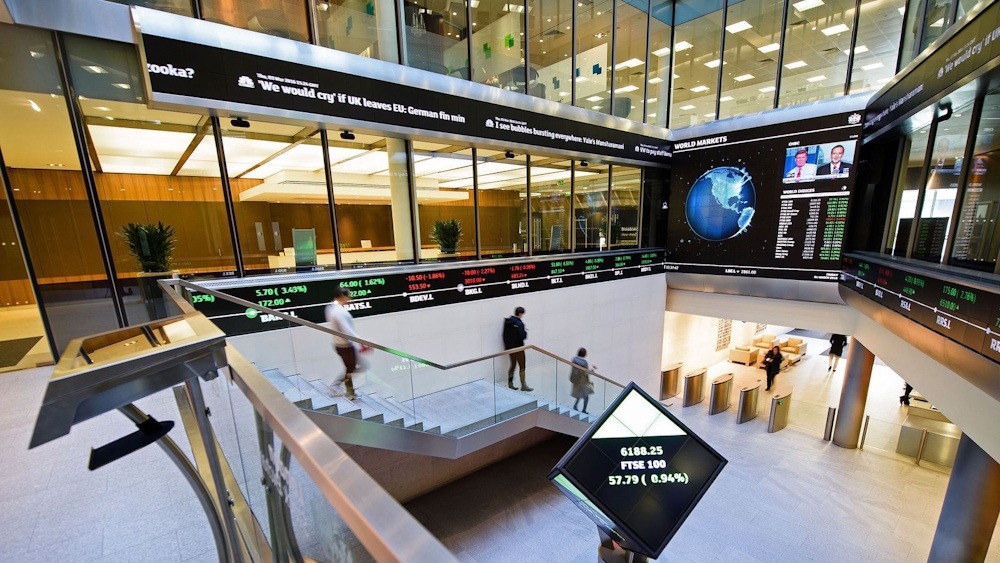
Britain’s FTSE 100 index reached a six-week low on Thursday, weighed down by declines in defensive giants such as Unilever, National Grid, and AstraZeneca, as investors looked forward to Anthropic’s eagerly awaited debut on the Nasdaq.
The blue-chip FTSE 100 fell 0.3% to 10,522.96 points as of 1. The midcap FTSE 250 index ticked down 0.1% to 24,328.34, marking its sixth consecutive session of declines.
- Anthropic is poised to commence trading later on Thursday following the pricing of its upsized IPO above the marketed range, which values the company at approximately $1.5 trillion.
- UK stocks underperformed in a tech-driven rally across Europe, as enthusiasm surrounding Anthropic’s market debut failed to uplift the domestic market.
- “(If) investors become more enthused with tech, non-tech indices like the FTSE 100 will come under stress, which could lead to further losses if the post-Anthropic optimism is sustained,” Kathleen Brooks said
- Defensive corners of the market were the main drag: Among consumer staples, Unilever fell 2.1%, and British American Tobacco dropped 1.7%; National Grid declined by 2.5% and AstraZeneca lost 1.1%.
- Limiting declines, industrial metal miners rose 1.1% to recover from their biggest one-day decline since April 4 in the previous session, as copper prices rebounded nearly 0.8%.
- Anglo American, Antofagasta, and Glencore rose more than 1%.
- Precious metal miners gained nearly 1%, supported by a rebound in gold prices after they hit a 14-month low in the previous session.
- Markets will be closely monitoring developments surrounding a proposed UK-EU “trusted partnership,” which is regarded as crucial for ensuring ‘Made in Europe’ status for British vehicles.
- In company news, Babcock International opened new tab, jumping 7% to the top of the FTSE 100 after the defence engineering group posted a 13% increase in first-half underlying operating profit.
- Merchant banking group Close Brothers opens a new tab, sliding 7% to lead midcap decliners after the lender indicated an expectation of a further modest decline in net interest margin for the remainder of fiscal year 2027.