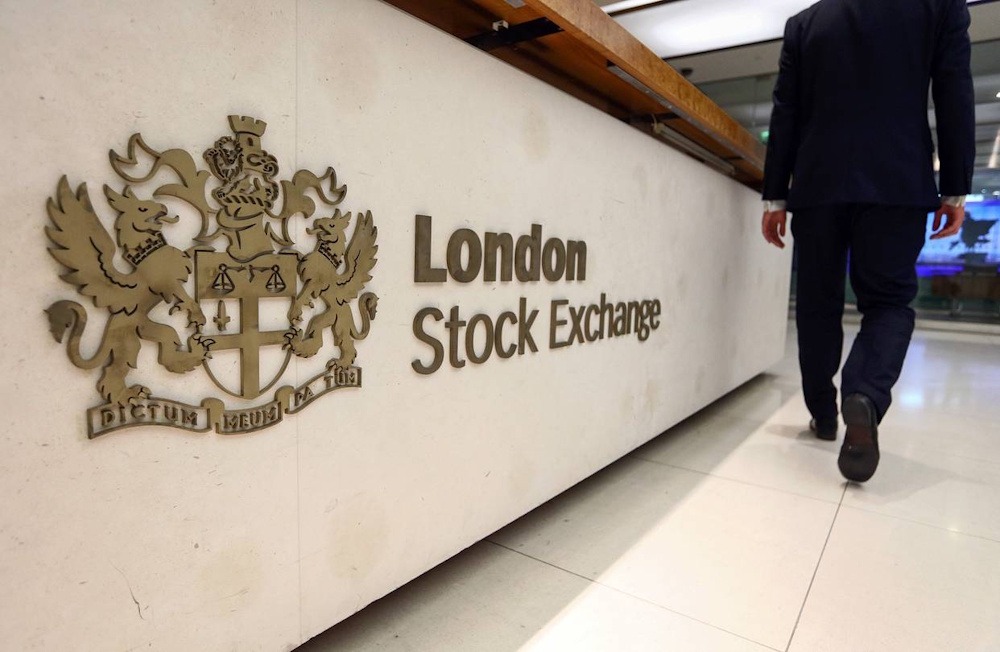
The UK’s blue-chip FTSE 100 experienced a modest increase on Tuesday, driven by advancements in industrial mining and financial sectors. It is poised to conclude the sixth consecutive quarter of gains, buoyed by optimism regarding a potential ceasefire in the Middle East, which has positively influenced market sentiment.
The internationally focused FTSE 100 index rose 0.5% by 0904, while the midcap FTSE 250 was up 0.1%. The blue-chip index experienced an increase in 11 of the past 12 months, with March standing out as the sole exception, as global markets faced turbulence following the military actions taken by the U.S. and Israel against Iran.
- The domestically focused FTSE 250 was poised for a quarterly increase yet experienced a monthly decline as political developments dominated the narrative following Keir Starmer’s resignation from the role of Prime Minister.
- Banks opened new tab added 1.2% and were up over 20% for the quarter. Lloyds gained 1.8% and Natwest increased by 2.4%, respectively.
- Industrial metal miners rose 2.1%, tracking metal prices, with Rio Tinto, Anglo American, and Glencore up between 1.7% and 2.8%.
- Economic data indicated that Britain’s economy expanded by 0.6% in the first quarter; however, households experienced financial strain prior to the inflationary pressures stemming from the Middle East conflict.
- A Lloyds survey indicated that UK businesses’ confidence regarding the economic outlook declined this month, as cost pressures and global uncertainty persistently exerted negative effects.
- UK’s largest housebuilders are confronted with the prospect of a multi-billion-pound class action lawsuit concerning purported anti-competitive behaviour, as indicated by a consumer claim. The home construction index experiences a 2.8% decline, lagging behind the FTSE 100, while Persimmon, Barratt Redrow, and Taylor Wimpey saw declines ranging from 2.4% to 3.3%.
- Among individual movers, supermarket group Sainsbury’s rose 2.1% after first-quarter results but stated it anticipates the Middle East conflict to contribute to food inflation.
- British holiday and insurance group Saga experienced a decline of 3%, positioning it as the leading loser on the midcap index following the release of its first-half results.
- BRC data indicated that annual shop price inflation held steady in June, as food inflation moderated and consumers capitalised on summer promotions.