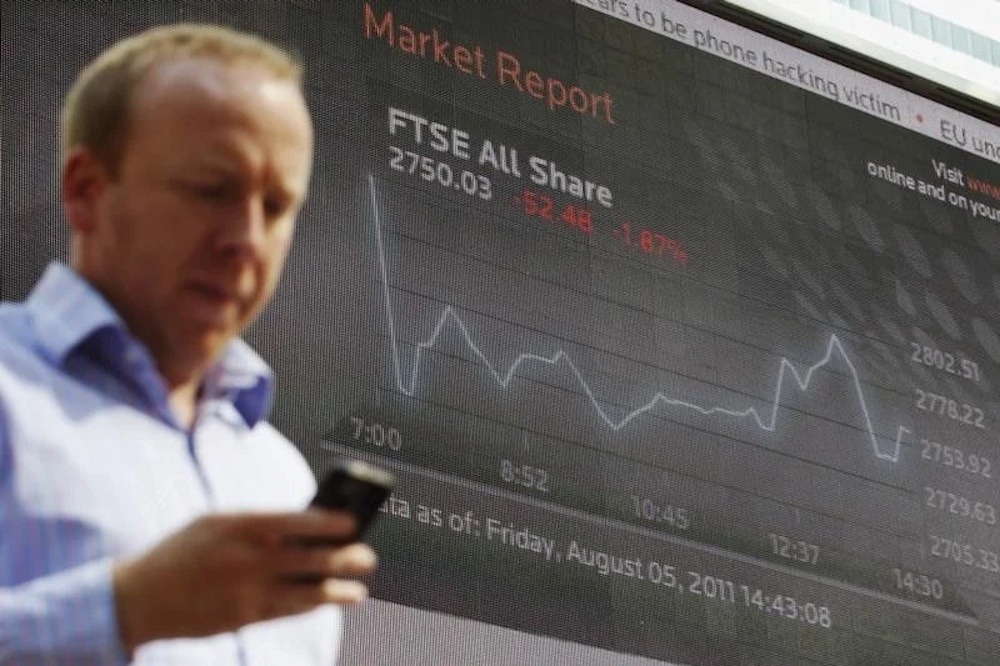
The UK’s FTSE 100 experienced a decline on Monday, driven by a decrease in AstraZeneca shares following reports of a possible collaboration with U.S. drugmaker Bristol Myers Squibb. Additionally, lower oil prices negatively impacted energy giants BP and Shell.
The blue-chip FTSE 100 index fell 0.10% to 10,857.49 points by 0931, while the mid-cap FTSE 250 rose nearly 1% to 24,206.25 points.
- AstraZeneca shares fell 6.2% as investors questioned the logic of a merger with Bristol Myers Squibb after reports they held preliminary discussions about forming one of the world’s biggest drugmakers. The stock experienced the most significant decline within the FTSE 100 index.
- “The initial market reaction to the reports is highly circumspect, reflecting understandable caution about the scale of the deal. Major transactions of this kind often run into difficulties around integration and matching up different workplace cultures,” said Russ Mould.
- Meanwhile, shares of BP fell 1.6% and Shell dropped 0.8% as Brent crude prices fell about 5% after U.S. President Donald Trump held off a fresh attack on Iran while seeking a quick deal that would halt Tehran’s nuclear ambitions and reopen the Strait of Hormuz.
- The broader British stock market and global stocks, however, found solace in the decline of oil prices.
- Rate-sensitive housebuilding stocks, including Vistry Group, Bellway, and Persimmon, climbed in the range of 4.8%-6.9% as UK bond yields fell on the back of a retreat in oil prices.
- British manufacturing activity experienced growth for the ninth consecutive month in July, albeit at the most sluggish rate observed in four months. This information is derived from S&P Global purchasing managers’ data, which indicates a resurgence of effects stemming from the Iran war towards the conclusion of the previous month.
- Among other movers, UK shipping services firm Clarkson rose 7.8%, leading gains across all London-listed stocks, after issuing an upbeat full-year outlook.