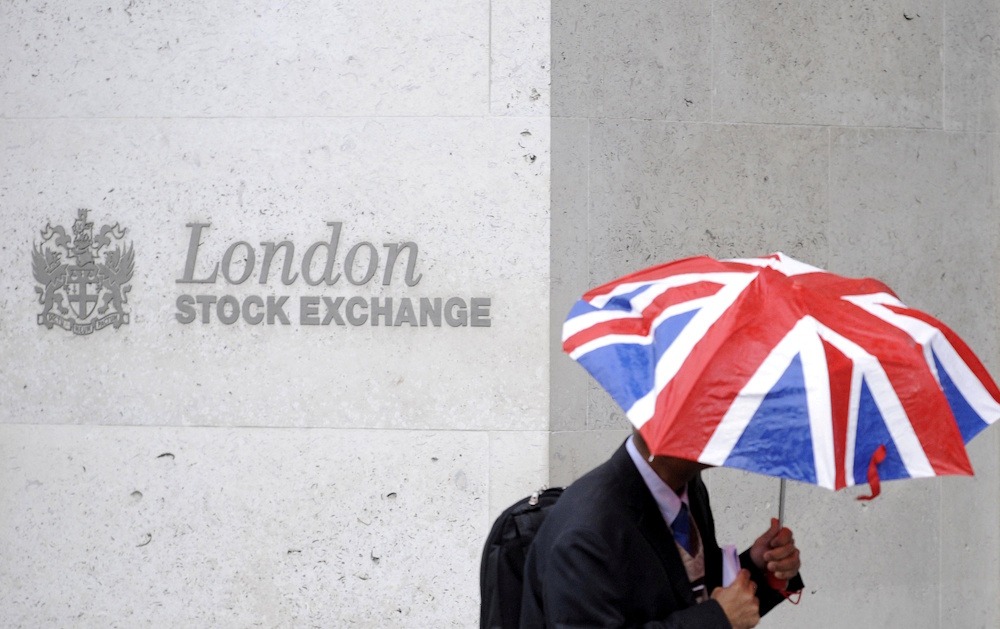
London’s FTSE indexes fell to their lowest point in over a week on Tuesday, reflecting a downturn in global markets as the likelihood of interest rate increases suppressed risk appetite. Meanwhile, investors continued to focus on the impending selection of Britain’s next leader.
The blue-chip FTSE 100 index fell 0.7% to its lowest since June 12 at 0919, while the midcap FTSE 250 fell 1.8% to its lowest since June 10.
- Heavy-weight precious and industrial metal miners fell 5% each and led sectoral declines, with Antofagasta down 6.5% and Fresnillo declining 5.6% as prices of gold, silver, and copper slid.
- Under the leadership of new U.S. Federal Reserve chair Kevin Warsh, traders are now anticipating approximately two 25 basis point increases by the end of the year, a revision from the previous expectation of one hike earlier this month. Markets anticipate at least one 25 bp increase by the Bank of England in December, according to data compiled by LSEG.
- Bucking the trend were sectors perceived to fare better in times of economic uncertainty. Healthcare, pharma, and consumer staples rose over 1% each.
- Local politics continued to capture attention following Prime Minister Keir Starmer’s resignation on Monday.
- His rival Andy Burnham is largely anticipated to prevail, following the endorsement from top contender and former health minister Wes Streeting, who has expressed his support for Burnham.
- Investors are closely observing Burnham’s fiscal policies as public debt has surged to nearly 100% of economic output, a situation that has complicated the efforts of six prime ministers preceding him.
- Meanwhile, data indicated that the services sector experienced its most rapid contraction in nearly three-and-a-half years in June.
- Among the top movers, business supplies distributor Bunzl gained 3% after raising its annual revenue growth outlook following a strong first half, supported by robust demand in North America and some price hikes.
- Telecom Plus opened a new tab, experiencing a decline of 24% following the announcement of its five-year investment plan, which is expected to significantly reduce near-term profits as the UK utility group reacts to increasing competition.