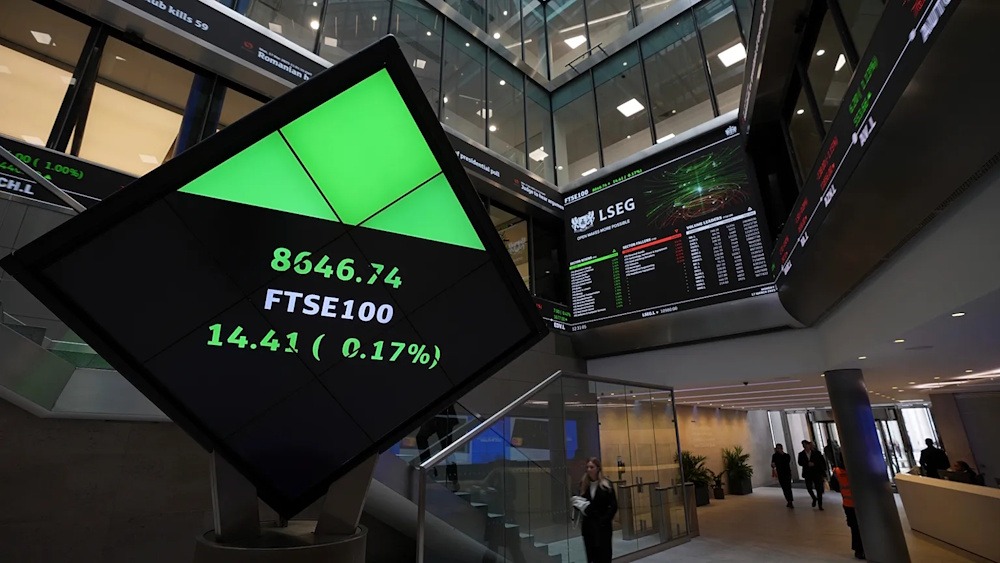
The UK’s FTSE 100 experienced a modest increase on Monday, as investors gravitated towards defensive pharmaceutical and consumer staples stocks in the context of a global selloff in energy and metal shares. The blue-chip FTSE 100 index was up 0.2% at 1037, marking its third consecutive session of gains, whereas the domestically focused mid-cap index FTSE 250 was down 0.3% at a level not seen in over a week. The index of precious metal miners fell 4.9%, reaching a three-week low, with Endeavour Mining and Fresnillo among the top losers in the benchmark index, each down nearly 5%.
Other London-listed miners also experienced declines, with giants Glencore and Rio Tinto down 2.4% and 1.1%, respectively, as the selloff extended to silver and industrial metals as well. The market downturn commenced following U.S. President Donald Trump’s nomination of Kevin Warsh as the next chair of the U.S. Federal Reserve on Friday, triggering a cascade of unwinding of leveraged positions. Investor caution in the markets has led to a shift towards defensive strategies, which are generally more resilient in times of economic contraction. Healthcare gained 1.3%, lifted by AstraZeneca’s 1.4% rise, while the personal care index also advanced as Unilever climbed 2.2%, making both companies among the benchmark’s top boosts.
Signs of geopolitical tensions easing between the U.S. and Iran also sparked a selloff in crude prices, sending energy stocks down 1.6%. Shell fell 1.5% and BP declined by 1.7%, respectively. This week’s attention will center on the Bank of England’s policy meeting scheduled for Thursday. The central bank is anticipated to maintain rates at 3.75% and is expected to provide minimal guidance regarding the timing of any future cuts, as it seeks to observe more definitive inflation trends.
The most recent survey indicated that British businesses are increasingly inclined to implement pay raises this year, with increases projected between 3% and 3.49%. This figure is marginally above the comfort level of certain Bank of England policymakers, who are focused on achieving the inflation target.