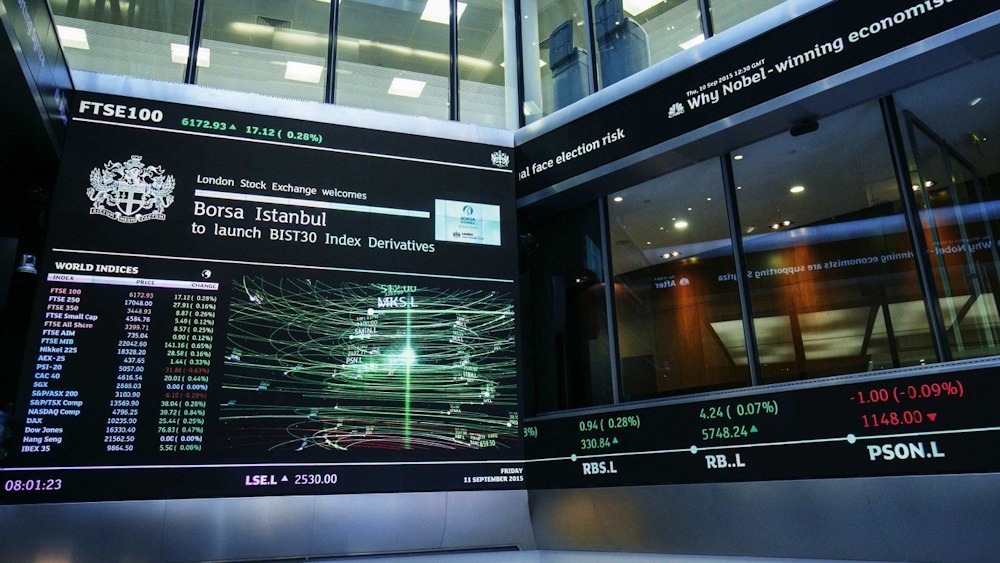
UK shares experienced a decline on Tuesday as investors assessed the implications of domestic political uncertainty, particularly with Prime Minister Keir Starmer resisting calls for his resignation, in conjunction with heightened concerns regarding tensions in the Middle East. The blue-chip FTSE 100 index fell 0.4% as of 1053, while the midcap FTSE 250 dropped 1.2%.
The declines indicate persistent uncertainties regarding Starmer’s future, despite his fervent appeal on Monday, in which he implored voters and Labour Party lawmakers to remain united with him and steer clear of a leadership contest that he argued would only lead to disorder. Over 80 Labour lawmakers have openly urged Starmer to establish a resignation date, allowing the party to appoint a new leader in a systematic fashion. Starmer, however, has committed to remaining in leadership. The markets exhibit considerable apprehension. “People are just all scratching their heads and saying, ‘What is he (Starmer) doing?'” stated David Morrison.
Investors expressed apprehension regarding the stagnation in efforts to resolve the Middle East conflict. U.S. President Donald Trump remarked that the ceasefire with Iran was “on life support.” Tehran dismissed a U.S. proposal aimed at resolving the conflict, maintaining its stance on a set of demands that Trump characterized as “garbage”. Bank stocks in the UK fell 2.3%, primarily influenced by a 5.2% decline in shares of Metro Bank and a 3.6% drop in Barclays. Aerospace and defence stocks slipped 2%, while the rate-sensitive real estate sector fell 1.9%.