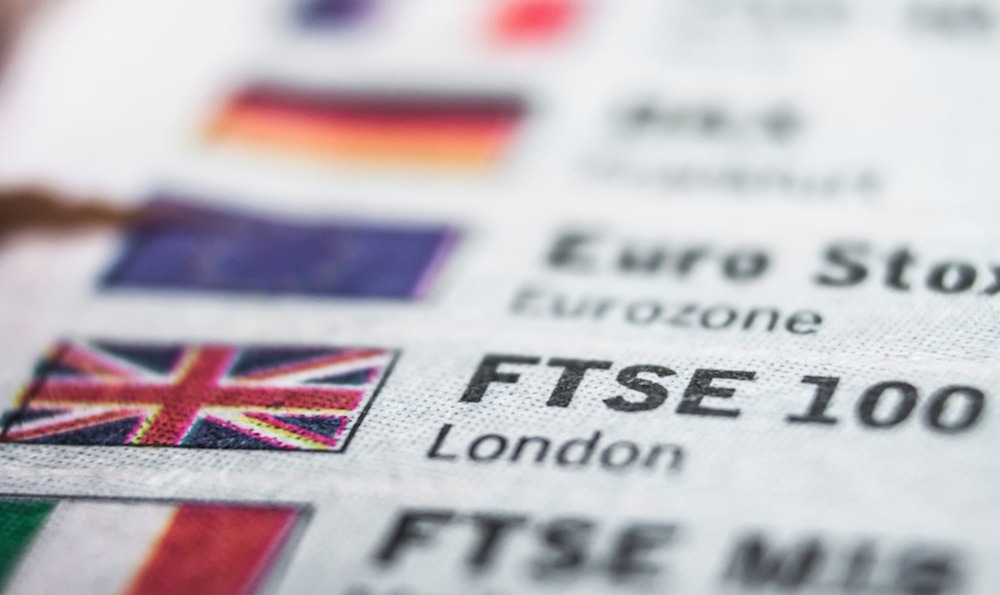
On Tuesday, London’s export-oriented FTSE 100 reached a new intraday record peak, supported by a declining pound following economic data that indicated an increase in unemployment and a deceleration in wage growth. Meanwhile, drugmaker AstraZeneca achieved an all-time high. The blue-chip FTSE 100 index rose 0.8% by 1210, building on its record close posted in the previous session. Meanwhile, the mid-cap FTSE 250 gained 0.5%. AstraZeneca experienced a 1.7% increase, exceeding its September 2024 peak and reinforcing its status as the largest publicly traded company in the UK by market capitalization, propelled by the positive momentum from last week’s quarterly results that surpassed forecasts.
In the UK labour market, there are evident indications of a cooling trend, as unemployment has risen to 5%, marking the highest level in four years, alongside a continued deceleration in wage growth. The data has strengthened anticipations for a reduction in the Bank of England’s interest rate in December. “There is an increasing amount of slack developing in the labor market, potentially more than what the MPC anticipated in its November projections; additionally, wage growth momentum is continuing to decelerate. Both should be encouraging for the MPC,” stated Sanjay Raja. The pound depreciated relative to the dollar, while British government bonds experienced a rally, reflecting the alignment of the figures with the central bank’s emphasis on the necessity of clearer indications of easing inflation prior to considering another rate cut.
In the market, media stocks gained 2.7% with advertising and marketing firm 4imprint Group surging 17%, after it raised full-year profit and revenue forecasts. Vodafone reached a two-year high, climbing 5.5%, after a strong performance in Germany helped the company to raise its annual profit forecast and lift dividends for the first time in eight years. Scientific tools maker Oxford Instruments surged 12.7%, positioning itself for its largest single-day gain in nearly four years, driven by improved order momentum. These gains in the technology and communications sectors contributed to the FTSE 100’s record-breaking performance, highlighting investor optimism despite broader economic headwinds.
On the downside, food supplier Hilton Food slumped 22.5% to the lowest since 2015 after it stated that profit growth is likely to be challenging in the next financial year. The sharp decline in Hilton Food’s shares offset some of the sector-wide gains but did little to dampen overall market sentiment, as investors focused on the broader picture of easing inflation, rate cut expectations, and continued corporate strength in key sectors such as healthcare and technology. The FTSE 100’s climb to fresh highs underscores the resilience of UK equities, supported by a weaker pound, robust corporate earnings, and the growing belief that monetary policy easing may be on the horizon.