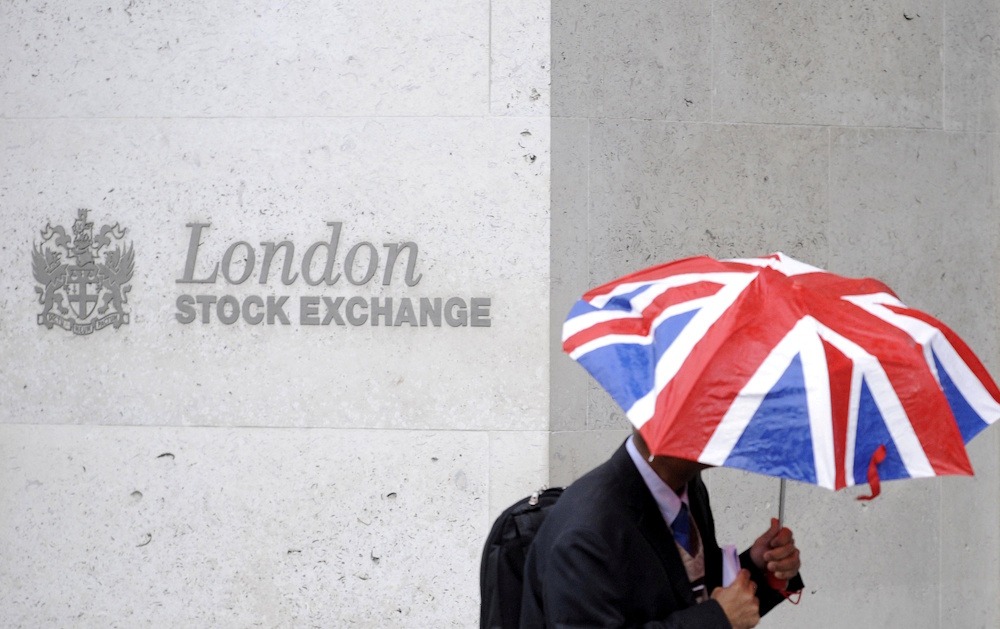
London’s FTSE 100 inched up on Friday, following five consecutive sessions of declines, as oil prices retreated amid reports of a push for a Strait of Hormuz deal. Meanwhile, markets remained poised for the release of crucial U.S. inflation data, scheduled for later in the day.
Despite rising 0.45% to 10,656.78 points by 1006, the blue-chip FTSE 100 index remained on course for its largest weekly loss since early July. The midcap FTSE 250 gained 0.36% and was poised for its sharpest weekly decline in over four months.
- Oil prices declined by over 2% following a report from the Financial Times indicating that Gulf foreign ministers may convene with their Iranian counterparts to explore temporary shipping arrangements in the Strait of Hormuz.
- Sectors pressured by rising oil prices experienced a recovery on Friday, while oil majors Shell and BP saw declines of 0.3% and 1%, respectively. However, energy stocks were set to outperform peers for the week.
- Heavyweight banks rose 1.2%, contributing significantly to the index, with HSBC and Barclays increasing by 1.3% and 1.4%, respectively.
- Aerospace and defence stocks gained 1.2%.
- Meanwhile, data indicated that Britain’s economy expanded at the most rapid annual rate in 18 months in July, potentially driven by advancements in AI, thereby enhancing overall sentiment.
- Investors are closely monitoring U.S. consumer inflation data set to be released later today, following a producer inflation reading on Thursday that exceeded expectations and heightened speculation regarding interest rate increases.
- Traders are currently assigning a probability of 67.5% to a potential interest rate hike by the U.S. Federal Reserve next week, while they generally anticipate that the Bank of England will maintain its current rates, according to LSEG data.
- Concerns regarding inflation, coupled with an expanding government budget, have driven bond yields to multi-year highs this week, adversely affecting risk assets.
- Among other stocks, supplement maker Applied Nutrition dropped 1.1% after executives sold 7 million shares, representing 2.8% of issued capital.
- Harbour Energy underperformed by 2.9% following a reduction in stake by its top shareholder BASF in the oil and gas producer.