
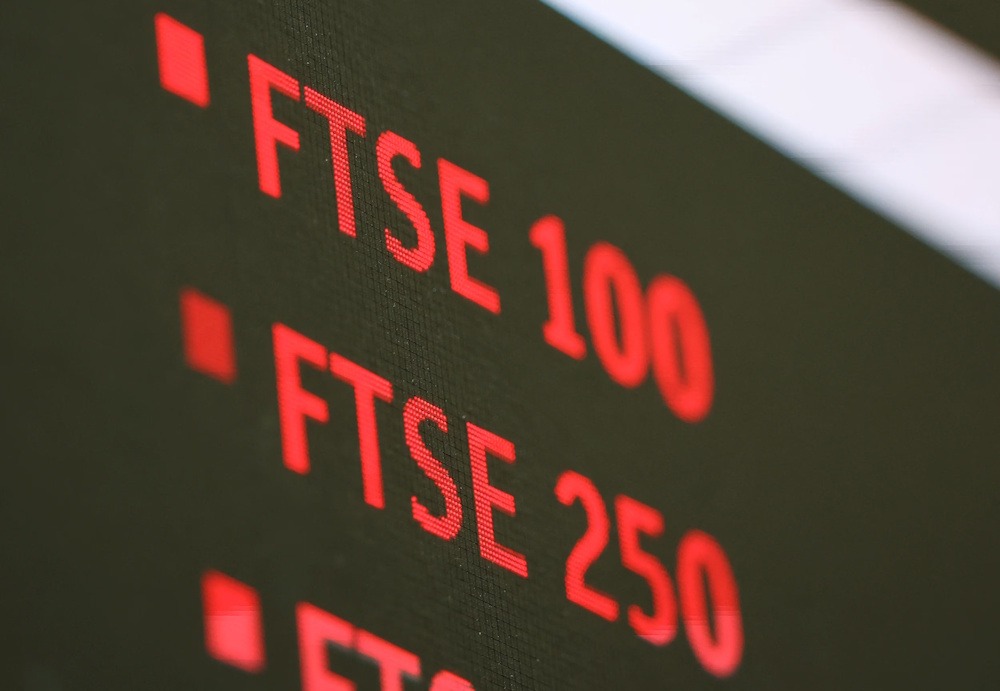
On Monday, UK stocks experienced a decline, reaching their lowest point in almost two months. This downturn was driven by escalating oil prices, which heightened inflation concerns, alongside apprehensions regarding possible interest rate increases in the context of persistent U.S.-Israeli tensions with Iran. The blue-chip FTSE 100 slipped 1.1% by 0937, while the mid-cap FTSE 250 lost 1.6%. Both indexes experienced their most significant weekly decline in almost a year.
Shares of oil majors rose, with Shell firming 1.3% and BP up 0.3%, tracking crude prices that broke above $100 a barrel on concerns over prolonged shipping and supply disruptions stemming from the widening Middle East conflict. The UK’s energy index gained 1.6%. Iran has appointed Mojtaba Khamenei to succeed his father, Ali Khamenei, as supreme leader, indicating that hardliners continue to maintain a strong grip on power in Tehran. Soaring energy prices have rekindled concerns over inflation and led to a significant retreat in expectations for rate cuts by the Bank of England.
Money markets pricing suggested a probability exceeding 40% that the Bank of England would increase interest rates this year, marking a significant shift from February, when two rate cuts were anticipated. Market participants were assessing the possible implications of government intervention in energy bill support following UK Prime Minister Keir Starmer’s assertion that addressing the cost of living would be a primary concern. The recent REC/KPMG report on employment presents a rather bleak picture, revealing that starting salaries for permanent staff in Britain have continued to decrease, though at a moderated rate. Meanwhile, the decline in new permanent hires appears to be showing some signs of alleviation.
On Monday, British government bonds experienced a significant decline, while the pound appeared poised for its largest daily drop in more than a month. In corporate news, GSK opens new tab dipped 0.6% after the drugmaker said it will receive up to $690 million from Italian pharmaceutical company Alfasigma for the worldwide rights to linerixibat, an experimental treatment for severe itching in patients with a rare liver disease.