
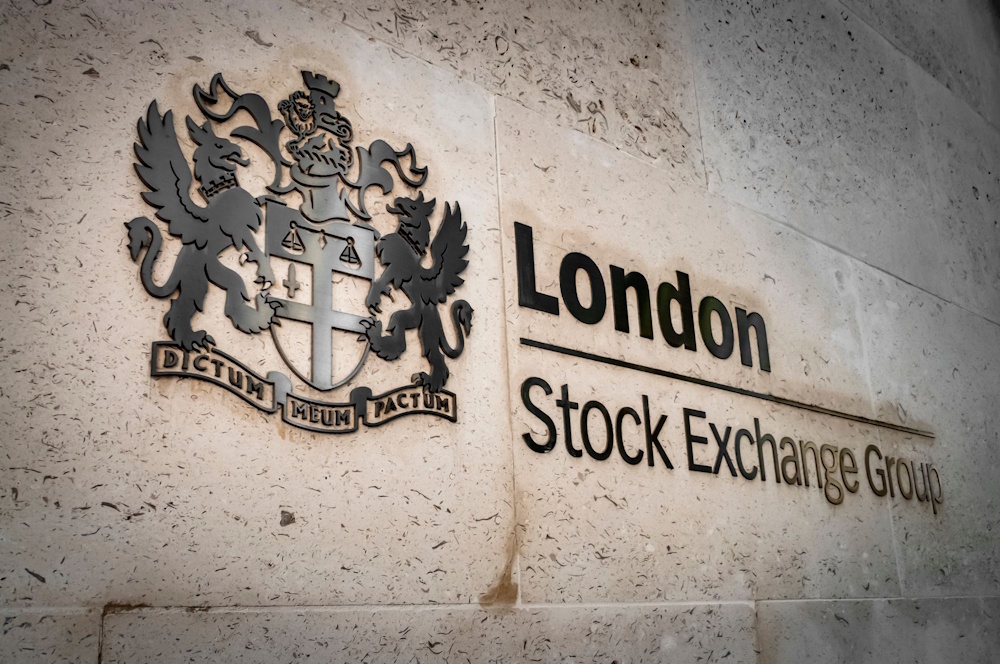
The principal UK indexes experienced a significant decline on Monday, indicating a potential correction, as investors anticipated a substantial increase in interest rates by the Bank of England, influenced by rising energy costs stemming from the conflict in the Middle East. The blue-chip FTSE 100 dropped 2.4% to its lowest level in three months at 1103. The index is currently down approximately 11% since the onset of the conflict earlier this month, poised to affirm that it has been in a correction phase since reaching a record high in late February.
The mid-cap index experienced a decline of 3.2%, reaching its lowest point since May 2025. The yield on Britain’s 10-year government bonds has reached its highest level since July 2008, now standing at 5.068%. This increase reflects market expectations of four interest rate hikes by the Bank of England this year, a significant shift from prior anticipations of only two rate increases in 2026. British Prime Minister Keir Starmer is scheduled to preside over an emergency meeting on the economic repercussions stemming from the conflict in Iran on Monday. In attendance will be finance minister Rachel Reeves and Bank of England Governor Andrew Bailey, according to government sources.
Global stock markets experienced a sell-off following Iran’s warning that it would target Israeli power plants and facilities associated with U.S. bases in the Gulf, contingent upon U.S. President Donald Trump’s potential action to “obliterate” Iran’s power network. All sectors traded in red, with precious metal miners being the biggest drag, after gold sank more than 5% to a four-month low as the Middle East tensions entered its fourth week.
Among other stocks, BT fell 6.1% after Britain announced it would regulate BT Openreach’s national broadband network for another five years, implementing a price cap on a broader range of speeds to foster competition and extend fibre connections to the final fifth of the country’s premises. Spire Healthcare experienced a decline of 19.3%, reaching its lowest point since December 2020, following the conclusion of buyout discussions with Bridgepoint and Triton. Both parties have indicated that they do not intend to pursue an offer for the private hospital group.