
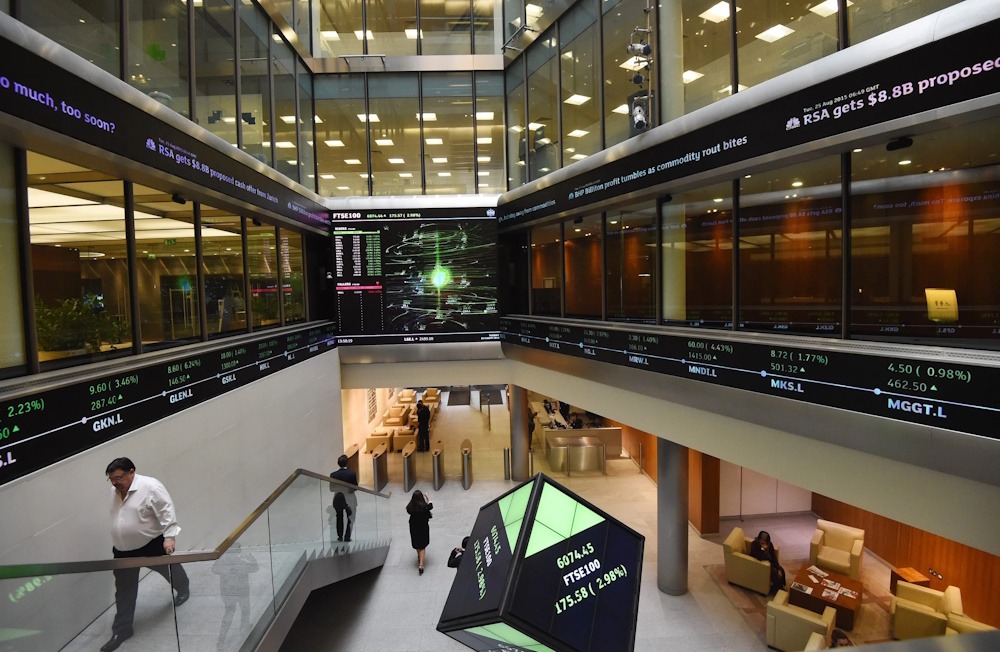
London’s FTSE100 experienced a slight decline on Friday, marking its third consecutive weekly decrease. This downturn is attributed to the intensifying conflict in the Middle East and rising oil prices, which have heightened concerns about inflation and reinforced anticipations for an interest rate increase by the Bank of England. The blue-chip FTSE 100 fell 0.1% by 1039, while the mid-cap FTSE 250 was up 0.2%. Both indexes oscillated between losses and gains throughout the session, indicative of the volatile and uncertain sentiment prevailing across markets.
Oil prices experienced a slight increase on Friday, even as prominent European nations, Japan, and Canada pledged to collaborate on ensuring safe passage for vessels through the Strait of Hormuz, alongside the U.S. detailing initiatives aimed at enhancing supply. UK’s energy stocks slipped 0.9%, but remained near record-high levels.
Heavyweight pharma stocks fell 0.3%. The Bank of England maintained its interest rates at 3.75% during the policy meeting on Thursday. The warning that inflation represents a greater risk than decelerating growth has led traders to factor in approximately a 60% probability of a 25-basis-point increase by April, with the possibility of up to three quarter-point hikes by the end of the year.
Recent fiscal apprehensions emerged as Britain’s borrowing in February significantly exceeded expectations, influenced in part by fluctuating debt-interest payments. This development coincided with the Iran conflict, which escalated funding costs and intensified demands for increased public expenditure. Among other movers, shares of Unilever inched 0.9% up after the consumer goods giant confirmed it was in talks with U.S.-based McCormick & Company about selling its foods business.
Smiths Group opens new tab dropped 7.9% after the engineering group missed half?year organic revenue forecasts.
JD Wetherspoon opens new tab fell 12.3% after the pub chain indicated that its full-year profits may fall below market estimates, as higher energy costs and wage-related taxes contributed to a 37% decline in first-half profit.