
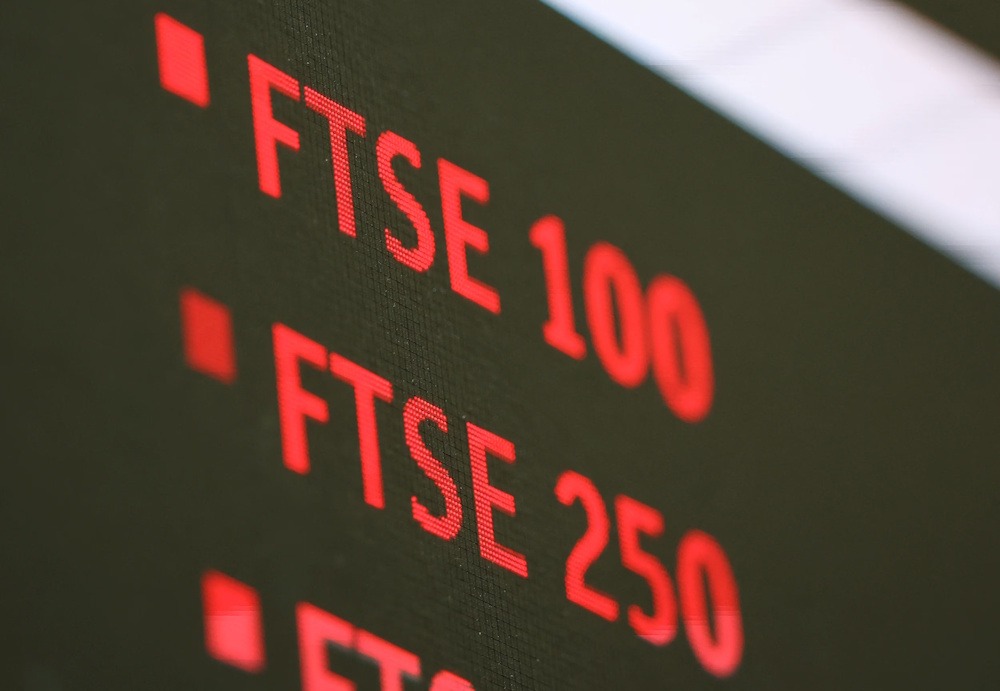
London’s primary indexes experienced a significant decline on Thursday, driven by an escalating conflict in the Middle East that diminished risk appetite. Investors remained vigilant regarding the Bank of England’s forthcoming monetary policy decision. The blue-chip FTSE 100 fell 1.9% by 1020. Meanwhile, the mid-cap index was down 2%, reaching its lowest level since November of the previous year. The energy sector rose 0.9% to a record high, as oil prices jumped after Iran attacked energy facilities across the Middle East following Israel’s strike on its South Pars gas field, marking a significant escalation in the war.
Most of the other major sectors were trading in the red, with metal miners down 7.2% and banks down 3.7% respectively, making them the day’s worst performers. HSBC opens new tab dropped 2.7% after reported that the bank is considering job cuts of up to 20,000 roles. In light of the prevailing cautious sentiment, market participants are closely monitoring the Bank of England’s policy decision scheduled for 1200. The central bank appears poised to refrain from implementing an interest rate cut that had previously seemed inevitable prior to the onset of the Middle East conflict. It is anticipated to adopt an ambiguous stance regarding its forthcoming actions as it assesses the possible inflationary repercussions stemming from the war.
Meanwhile, British wages increased at their most sluggish rate since late 2020 in the three months leading up to January, as per official data that also indicated a potential stabilization in employment may have occurred prior to the onset of the conflict in the Middle East. This line chart illustrates the relationship between the UK unemployment rate and annual wage growth (excluding bonuses) from 2005 to 2026, incorporating recession bands for contextual analysis. During the quarter ending January 2026, the unemployment rate stood at 5.2%, accompanied by a further deceleration in wage growth to 3.8%.
The line chart illustrates the UK unemployment rate alongside annual wage growth (excluding bonuses) from 2005 to 2026, incorporating recession bands. During the quarter ending January 2026, the unemployment rate stood at 5.2%, accompanied by a further deceleration in wage growth to 3.8%. Among other movers, IG Group rose 5.5% to a record high after stating it is exploring deals, partnerships, and a possible relocation from London to access faster-growing markets.