
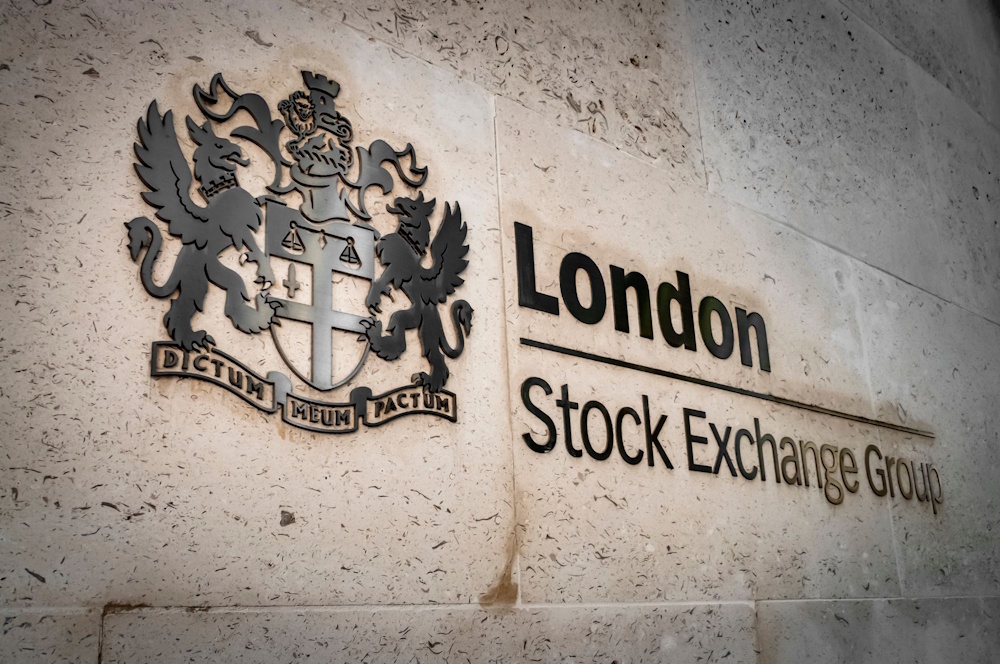
On Wednesday, Britain’s FTSE 100 reached a new high following HSBC’s announcement of an increased earnings target. This development, coupled with a reduction in apprehensions regarding the effects of artificial intelligence models on traditional enterprises, bolstered global market sentiment. The blue-chip FTSE 100 index rose 1% to 10,787.30 points as of 1103 after being largely unchanged over the past two sessions, while the domestically focused mid-cap FTSE 250 gained 0.4%.
Global risk appetite has shown signs of improvement following the partnership of U.S.-based AI startup Anthropic with various companies and the introduction of new AI plug-ins. This development indicates that traditional businesses are not merely confronting immediate disruption but are instead adapting to the advancements in AI technology. HSBC opened new tab climbed 5.8% after the bank lifted its target for a key profitability metric following its annual profit beating expectations. The bank has streamlined its operations to concentrate on a limited number of regions, while also directing more resources towards affluent clients. “This strategy appears to be working as it reported a strong performance from its wealth division,” stated Russ Mould.
Precious metal miners rallied as copper and gold prices climbed against a softer dollar, while industrial metal miners also experienced gains. Miners have emerged as significant contributors to the performance of the FTSE 100 over the past year, driven by an extraordinary surge in commodity prices. Among other shares, spirits maker Diageo opened a new tab fell 6.1% after new CEO Dave Lewis cut the annual forecast and dividend, underscoring the scale of the turnaround ahead.
Hiscox opened a new tab, rising 6.2% to the top of the blue-chip index after the insurer announced a $300 million share buyback plan and reported a 5.9% increase in annual insurance contract written premium. Aston Martin fell 1.8% after the luxury carmaker announced plans to reduce its workforce by up to 20%, as it seeks to recover from the effects of U.S. import tariffs and sluggish demand in China.