
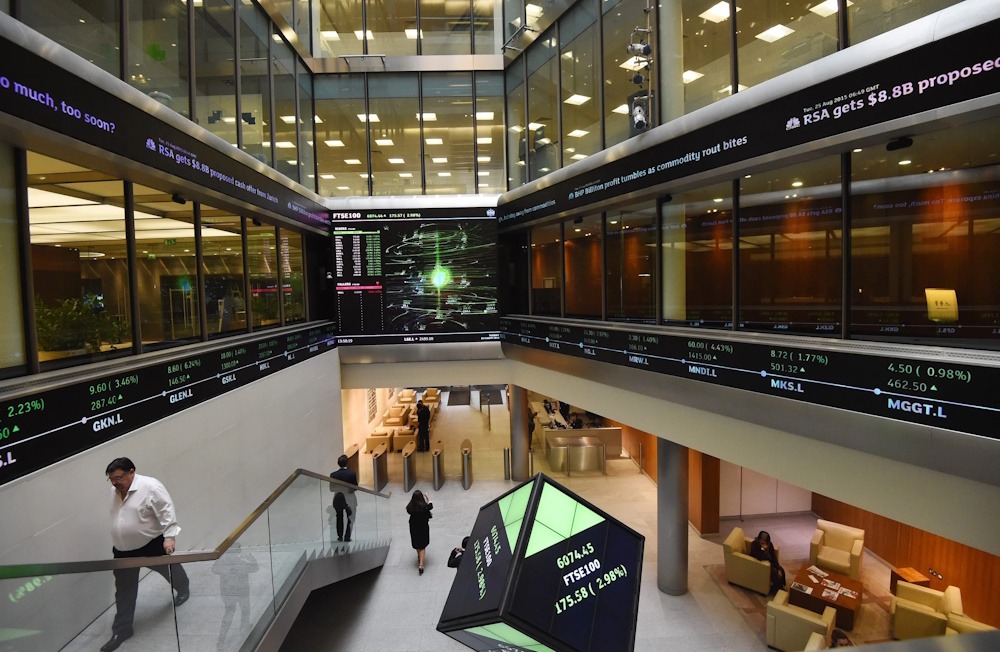
The UK’s FTSE 100 experienced a decline on Tuesday, reflecting a pessimistic mood prevalent in global markets as investors contended with uncertainties surrounding tariffs and concerns regarding possible disruptions stemming from artificial intelligence. The blue-chip index was down 0.1% at 1140, while the domestically focused mid-cap index was up 0.07%. President Donald Trump implemented a new tariff of 10% on all imported goods not subject to exemptions, effective Tuesday, a reduction from the previously promised 15%, following the Supreme Court’s decision to strike down his levies. The British government successfully negotiated a reciprocal tariff rate of 10% following an agreement with the U.S. last year.
Global stocks faced downward pressure, particularly in sectors deemed susceptible to disruption from AI, including software and private equity, which experienced declines overnight following a report that outlined potential risks to the global economy stemming from the rapidly advancing technology. British technology stocks fell 1%, with information group RELX declining by 1.3% and exchange operator London Stock Exchange Group down by 0.4%, respectively.
Computer hardware firm Raspberry Pi has experienced a notable increase of 11.7%, a development that traders have historically associated with the company’s role as a beneficiary of low-cost AI projects. Meanwhile, banks experienced a decline of 1.2%, with Lion Finance and Barclays each dropping by 1.5%, while Lloyds fell by 1.9%. Standard Chartered opens new tab dipped 2% even as the bank reported a rise in full-year pretax profit, announced a $1.5 billion share buyback and a full-year dividend that was up 65% from a year earlier.
On the earnings front, Convatec opened new tab climbed 10% to the top of the benchmark index after the medical equipment maker raised its medium-term organic revenue growth target, citing a strengthening product pipeline.
Croda opens new tab rose 3.4% after the speciality chemicals maker forecast ambitious profit margins for 2028, as it continues to streamline its operations following last year’s subdued demand in some regions linked to U.S. tariffs.